
杀害班花逃15年
“김민석, 보급형 정청래될뿐”…‘女전두환’ 거론에 김재섭의 말_我的网站

一 | 김민석, 이진숙 겨냥 “여자 전두환으로 불러드리자”김재섭 “野 의원 제명발상, 전두환과 무엇이 다른가”국회 본회의서 與주도 이진숙 제명 촉구결의안 통과 연합뉴스 자료사진김재섭(사진) 국민의힘 의원은 26일 자당의 이진숙 의원을 ‘여자 전두환’이라고 지칭한 김민석 더불어민주당 대표를 향해 “정청래(전 대표)처럼 강성 팬덤에 기대 폭주한들, 보급형 정청래가 될 뿐”이라고 주장했다.당내 비주류로 분류되는 초선 김 의원은 이날 자신의 페이스북에 “이 의원을 두고 여자 전두환을 외치다가 스스로 입법 전두환이 된 김민석에게 묻는다”며 이같이 적었다.김 의원은 “야당 의원을 다수의석으로 제명하겠다는 발상, 1980년 전두환이 ‘정치풍토쇄신법’으로 800명을 숙청하던 수법과 무엇이 다른가”라고 강조했다.그러면서 “역사적·정치적 평가가 끝난 5·18 민주화운동에 대해 음모론을 제기하는 일체의 의견에 반대한다”며 “그러나 5·18을 핑계로 전두환식 정적 제거를 벤치마킹하는 민주당 당대표도 한심하긴 마찬가지”라고 덧붙였다.김 의원의 이 같은 발언은 앞서 김민석 민주당 대표가 이날 민주당 최고위원회의에서 이 의원을 ‘여자 전두환’으로 지칭한 데 대한 맞대응 차원으로 풀이된다.김 대표는 최근 ‘5.18 폄훼’ 논란을 일으킨 이 의원에 대해 “이 의원에 대한 말씀을 여러 분이 주셨는데, 공통적인 지적이 나왔다. (이 의원이) 여자 히틀러 호칭에 대해서는 시비를 걸고 여자 전두환에 대해서는 안 거냐는 말씀을 해주셨다”며 “‘여자 전두환’이라는 호칭은 좋아하시나 보다”라고 했다.이어 그는 “그래서 앞으로 우리 당에서는 이 의원이 상당히 선호한다고 보여지는 이름으로 ‘여자 전두환’으로 통일해 불러드리는 것이 어떨까라는 생각이 들었다“고 말했다.한편, 이날 국회에서는 본회의를 통해 민주당 주도로 이 의원에 대한 제명 촉구 결의안이 통과됐다. 표결에는 159명이 참여해 찬성 157표, 반대 1표, 기권 1표로 가결됐다. 이는 인사 안건이라 무기명 투표 방식으로 진행됐다. 민주당이 발의한 결의안 표결에는 조국혁신당과 진보당 등 범여권이 참여했다.이날 결의안 강행 처리에 반발한 국민의힘 의원 대부분은 안건이 상정된 직후 본회의장을 떠났다. 다만 친한(친한동훈)계 등 일부 의원은 표결에 참여하기도 했다.。
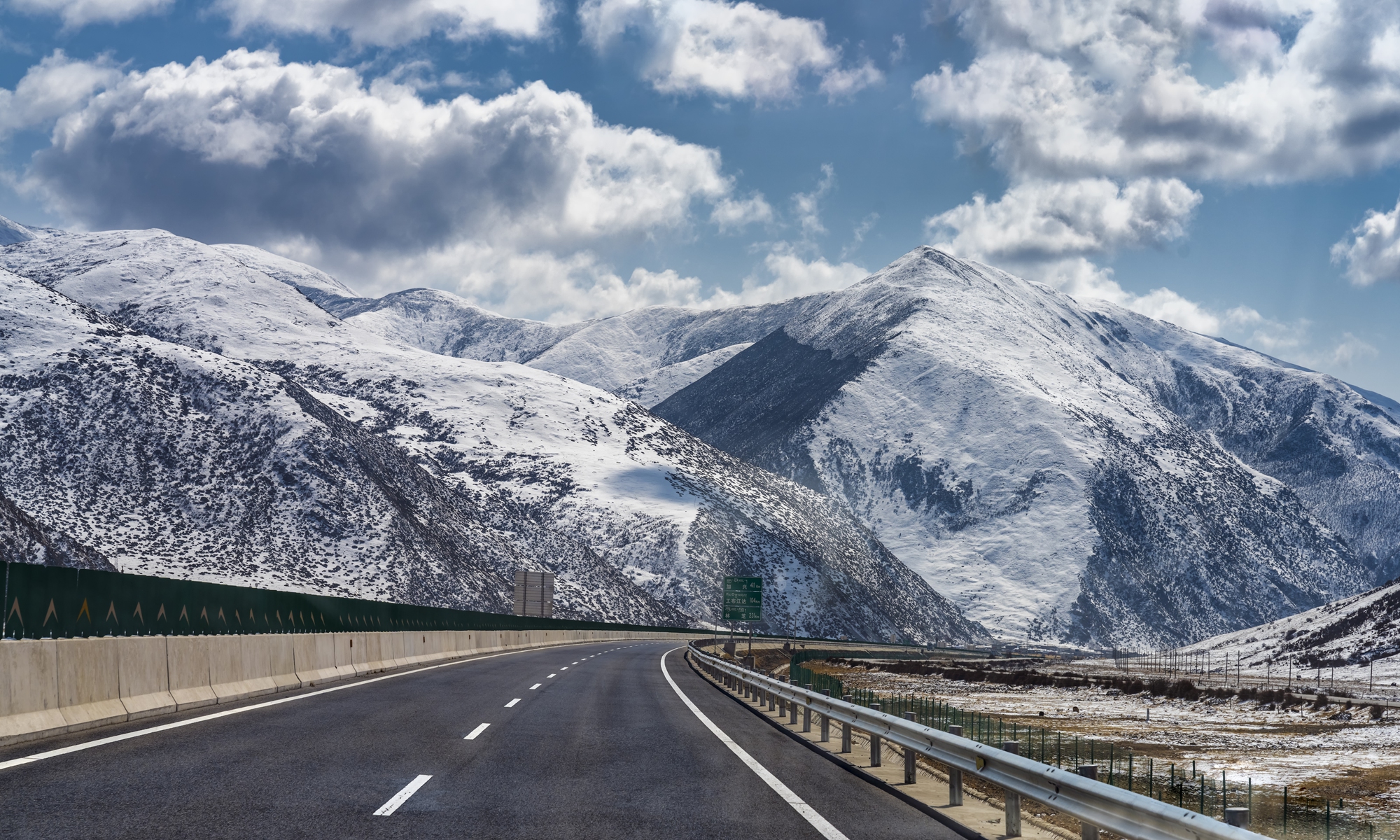
Chinese experts on Sunday slammed India's latest move of identifying 27 locations in China's Zangnan area by their so-called standard names on its official map as self-deception, which runs counter to the improving momentum in bilateral relations and could complicate efforts to properly handle border issues.
The Indian government on Friday said the updated Survey of India map included "four mountain passes and a high-altitude lake," and claimed that the move "is intended to ensure the correct identification of these places" and "improve public awareness of their geographical and historical significance," according to the Times of India.
The claim came shortly after the 36th meeting of the Working Mechanism for Consultation and Coordination on China-India Border Affairs (WMCC) was held on August 6 in New Delhi.
During the meeting, officials from both sides discussed issues including boundary delimitation, border management and control, mechanism building, and cross-border cooperation. They agreed to maintain communication through diplomatic and military channels and jointly safeguard peace and stability in the border areas, according to a statement released by the Chinese Foreign Ministry on Friday.
China has been carrying out standardization of geographical names in the region for a long time. At a time when China-India relations are showing signs of improvement and leaders from both countries are expected to engage through multilateral platforms, any unilateral action by India that escalates the border situation shows no point and will not serve the broader interests of bilateral relations, Qian Feng, director of the Research Department at Tsinghua University's National Strategy Institute, told the Global Times on Sunday.
Qian said India should avoid turning border issue into a larger dispute, as such actions could stifle the improving political ties between the two countries.
Consistent position
China's position on the Zangnan region is consistent. The area covers parts of Nyingchi and Shannan and is located in Southwest China's Xizang region, which has been China's territory since ancient times.
Since 2017, China's Ministry of Civil Affairs has released six batches of standardized names for locations in Zangnan, with a total of 112 names announced as of April 2026. These names cover villages, mountain passes, rivers and peaks, accompanied by standardized Chinese and Tibetan names as well as geographic coordinates.
The dispute over the region has a long historical background. The illegal "McMahon Line" drawn between China and India during the 1914 Simla Convention was never signed or recognized by successive Chinese governments and therefore has no legal validity.
After China's Ministry of Civil Affairs published the sixth batch of names that should be used for places in Zangnan region on April 10, two days later, the spokesperson for India's Ministry of External Affairs expressed rejection to China assigning names to places in so-called "Arunachal Pradesh," adding that these actions detract from ongoing efforts to stabilize bilateral ties.
Chinese Foreign Ministry Spokesperson Guo Jiakun said at a routine press briefing on April 14 that Zangnan region is China's territory. China does not recognize the so-called "Arunachal Pradesh" illegally set up by India. It is fully within China's sovereign rights for the Chinese government to issue standard names for some of the places in Zangnan.
China-India relations are generally stable at the moment. China's commitment to improving and growing China-India relations has not changed. We hope the two sides will work in the same direction and act more in ways conducive to bilateral relations, Guo stressed.
India's latest naming of 27 locations is a unilateral administrative move and does not alter the legal status of the area, Guo Xuetang, a professor at the center for South Asia and Indian Ocean Studies under Shanghai International Studies University, told the Global Times.
According to Guo Xuetang, India's move is an attempt to strengthen its claim of control over the area and create additional leverage in future boundary negotiations. However, such actions have no practical meaning and will only undermine the atmosphere for negotiations between the two countries.
Not merely from the perspective of international law, Zangnan region has culturally, religiously and historically been connected within Xizang, with close links between local communities and civilization, the expert stressed.
Positive momentum
Despite differences over the boundary issue, China and India have in recent months continued efforts to stabilize relations. In December 2024, China and India's representatives for boundary affairs reached a six-point consensus during talks.
Last week, the Nathu La Pass, which was closed for six years, officially resumed operations, signaling a new phase of mutually beneficial cooperation and development in cross-border trade.
During a meeting between Chinese Foreign Minister Wang Yi and Indian Foreign Minister Subrahmanyam Jaishankar on July 22 in Manila, the Philippines, Wang said China and India should consolidate the positive momentum in bilateral relations, and strengthen coordination and cooperation in international and regional affairs, while Jaishankar said India's positions on issues concerning Taiwan and Xizang have not changed, and that India respects China's sovereignty, Xinhua reported.
In the past two years, leaders of China and India have met in Kazan, Russia, and Tianjin, China, and agreed that China and India are partners rather than rivals, and that their development should be viewed as opportunities rather than threats, Wang said.
"India's latest move is essentially an attempt to reinforce its claims over disputed territory and counter China's sovereignty position, a move that amounts to self-deception. Unilateral name changes cannot alter the historical and legal facts surrounding the Zangnan region, nor can they shake China's resolve to safeguard its territorial sovereignty," Guo Xuetang said.
The only way to resolve the China-India boundary issue is through equal negotiations and a fair settlement based on historical and legal principles, while unilateral actions that create tensions or change the status quo will only harm mutual trust and border stability, Guo said.
。
Current article:http://f1hb.wenwancaomohenenqiongpangshun.bond/list_qjcku/2dycv7.html
Published on:00:22:38